
How Addiction Changes Family Roles and How They Can Heal
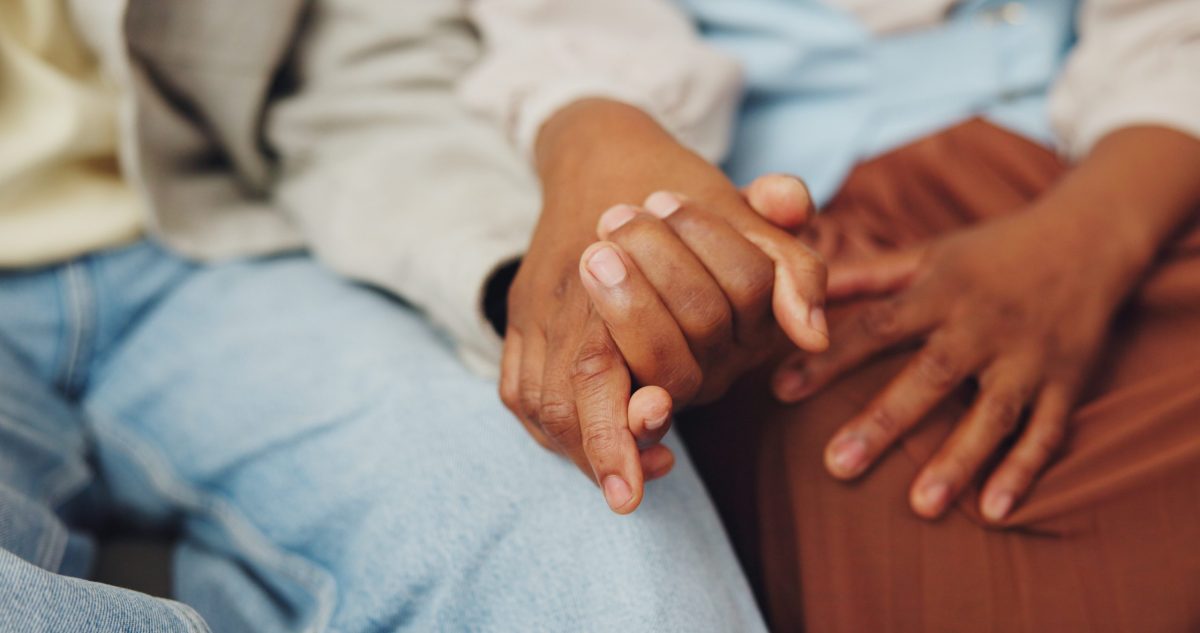
Alcohol and other drug problems affect not only the person using them but also the people around them. Over time, they can change the way a whole family communicates, makes decisions, manages money, responds to conflict and looks after one another. While substance misuse can affect family functioning, families can also be an important source of support during recovery.
Healing can begin when people are able to talk without shame or blame, and everyone affected has access to the right drug and alcohol support. Recovery may involve the person experiencing addiction, but family members also deserve support for their own wellbeing.
How can addiction change roles within a family?
The misuse of alcohol and other drugs affects every family differently. Each family has its own relationships, circumstances, strengths and challenges. For Aboriginal and Torres Strait Islander Peoples, family may also include kinship networks, and connections to culture, community, and Country, all of which play an important role in social and emotional wellbeing.
When alcohol or other drug use becomes a major source of stress, family members may gradually start doing things that were not previously part of their role.
Some may try to fix problems, manage conflict, or become highly protective, while children and young people may take on responsibilities beyond their age. Others may withdraw emotionally or distance themselves because they feel overwhelmed. These responses often reflect attempts to cope with stress and protect themselves or their loved ones.
These are examples of patterns, not fixed labels. A person can move between them, and several people may respond differently to the same situation. The purpose of recognising these changes is not to decide who is to blame. It is to understand how everyone has been affected and what each person may need to feel safer and healthier.
What can changing family roles look like during recovery?
Recovery can bring positive change, but it also requires adjustment for the whole family.
As responsibilities shift and trust is rebuilt, family members may need time to adapt and work through feelings linked to past experiences.
Family functioning can improve during recovery and that family involvement can help some people engage with treatment and maintain positive changes. At the same time, family members need support for their own wellbeing, rather than being treated only as helpers in somebody else’s recovery.
For families, healing may therefore involve learning to share responsibilities again, talking openly about expectations, setting safe boundaries, and allowing relationships to rebuild at a realistic pace.
Recovery is not one person’s responsibility alone. While the person in recovery is responsible for their own progress, family members do not have to monitor every decision or carry every burden. Counselling, support groups and other services can help families navigate these changes, strengthen relationships and support their own wellbeing.
Why culturally safe drug and alcohol support matters
For Aboriginal and Torres Strait Islander people, alcohol and other drug concerns should not be separated from the broader circumstances affecting social and emotional wellbeing. Addiction is often connected to historical and systemic factors such as colonisation, dispossession, the Stolen Generations and racism.
Culturally safe support understands these power dynamics, acknowledges these harms, and doesn’t treat alcohol or drug misuse in isolation. It considers with context, including emotional pain, social disadvantage and cultural disconnection, and is grounded in respect, self-determination and care that is right for our people and community.
Aboriginal approaches to health and wellbeing encompass connections between spirit, mind and body, family and kinship, community, culture and Country. Family and kinship connections in particular are important contributors to resilience and social and emotional wellbeing.
That does not mean every Aboriginal or Torres Strait Islander person needs or wants exactly the same kind of support. Cultural safety means listening to the person, respecting their identity and relationships, and providing care without judgement or assumptions.
How Marrin Weejali can support families in Western Sydney
At Marrin Weejali, we provide culturally safe alcohol and other drug support from our centre in Western Sydney. We are run by our people, for our people, with services designed around dignity, respect, compassion and a holistic understanding of recovery.
We run programs to help individuals, families and communities overcome the impacts of substance abuse, misuse and addiction. Our services are free of charge. Aboriginal and Torres Strait Islander people living in Western Sydney can access our programs, and non-Indigenous people who choose to use our service are also welcome. People can refer themselves or come to us through another service or organisation.
You don't have to carry this alone
Asking for help does not mean giving up on someone. It can be a way of protecting relationships, strengthening your own wellbeing and learning what support you can reasonably provide.
If alcohol or other drug misuse are affecting your family, contact us for a confidential discussion. Our team can listen, talk through your needs and help connect you with culturally safe support in Western Sydney. Our services are free, and you can refer yourself.

© Copyright Marrin Weejali Aboriginal Corporation 2026. All rights reserved. Website by Brilliant Digital.