
What does a healthy support network actually look like?
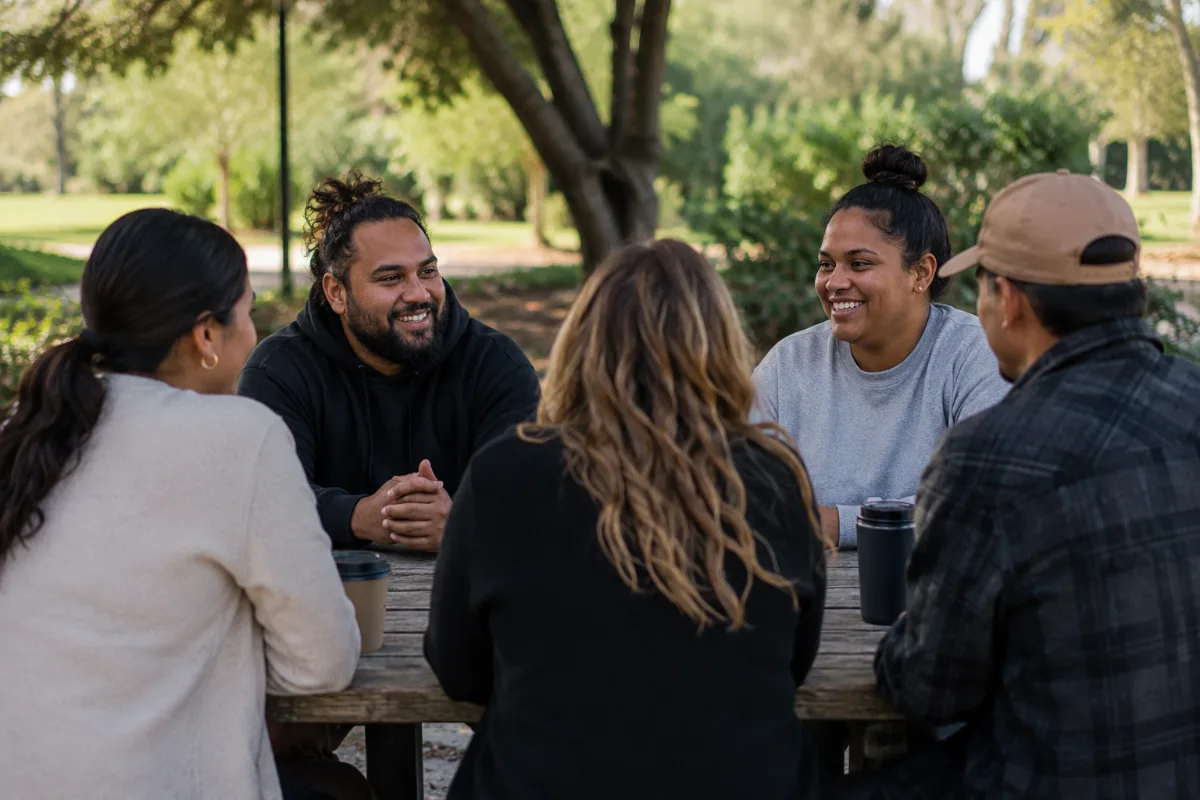
The people in your life can either strengthen your recovery or make it harder to protect. Addiction is powerful, and changing your life for good requires effort, patience and perseverance. Everyone has heard about the importance of a strong support network, but what does it really look like? Some assume it simply means being surrounded by others, but the reality is that not every relationship is helpful. What’s helpful is understanding what people actually need.
At Marrin Weejali, we offer drug and alcohol and emotional support programs for Aboriginal and non-Indigenous communities in Western Sydney. If you’re going through a tough time, regardless of the reason, but especially if you’re trying to walk away from substances, the quality of your support network matters far more than the number of people in it.
Healthy support is about consistency, not fixing problems
Ultimately, recovery is the responsibility of the individual. Family members, friends and professionals can all provide guidance and encouragement, but they can’t make decisions or maintain the effort for someone else. For those within the support network, it’s natural to feel like you need to rescue your loved one, but this can unintentionally create unhealthy dependence. Listening is more helpful. Feeling heard is an important part of the process and can reduce feelings of isolation and shame.
Trust is crucial, and it’s built through repeated, reliable actions rather than big, amazing gestures. Many people in addiction recovery believe they’ve been let down before, so reliability matters. Checking in regularly, keeping promises and arriving when you said you would all help create a sense of stability. When people know what to expect, uncertainty starts to ease and relationships become stronger.
Spending time together without making every conversation about recovery is crucial. Share a meal, watch a game, go for a walk or just enjoy the company. Ordinary moments and feeling accepted for who they are, rather than being defined by their past, make it much easier to believe that life really can be different.
Good support allows accountability without judgement
Healthy relationships challenge actions, not the person. They also tell the truth. Honest conversations can be uncomfortable, but avoidance rarely helps. Compassion doesn’t mean pretending everything is okay. It means acknowledging harmful choices while still treating the individual with dignity and respect.
Accountability is a word that gets thrown around a lot, but it’s not about blame, criticism or humiliation. It’s accepting responsibility for your actions and their consequences. Research shows that shame often leads people to withdraw socially, hide mistakes and become reluctant to ask for help. Accountability is recognising what happened, considering what could be done differently and making positive changes.
In recovery, we encourage progress, not perfection. Nobody gets everything right all the time. Praising healthy decisions and consistent effort helps build confidence and gives people a reason to keep trying. Harmful behaviour still needs to be addressed. You can still celebrate positive steps while maintaining clear expectations and boundaries.
Different people will meet different needs
Strong support will have multiple faces. One person cannot be everything. Different people naturally bring different strengths, and that’s a good thing. Some are great listeners, others provide practical help, while professionals offer knowledge and treatment that friends and family can’t. A broader support network also means there is always someone to turn to if one person is overwhelmed or unavailable.
The type of relationship involved will naturally influence how each person contributes. Family generally provide emotional connection and daily encouragement. Friends can help someone reconnect with ordinary life, hobbies and activities. Recovery groups also give people the opportunity to connect with others who have lived experience and understand what they’re going through.
Coming back to boundaries
Caring for someone through addiction can be emotionally demanding. Looking after your own wellbeing allows you to remain patient, consistent and present for the long term. Yet it’s often the last thing people think about.
A few things to keep in mind as you navigate this road:
- Be honest about what you can realistically offer, whether that’s time, practical assistance or emotional support.
- Follow through on the commitments you make, rather than promising more than you can give.
- Encourage independence wherever possible instead of doing everything on someone else’s behalf.
- Say no respectfully when you need to. Clear communication is healthier than agreeing to something you can’t sustain.
- Remember to take care of your own physical and emotional wellbeing too. Supporting someone else is much harder when you’re running on empty.
Take the first step towards healing and reconciliation
Good support knows when to step in, when to step back and when to simply stand beside someone.
Whether you’re seeking support yourself or caring for a loved one in recovery, focus on trust, respect and consistency, and don’t hesitate to seek professional guidance whenever it’s needed.
Are you, or someone you love, struggling with addiction? You are welcome at Marrin Weejali.
Contact us for a confidential discussion.

© Copyright Marrin Weejali Aboriginal Corporation 2026. All rights reserved. Website by Brilliant Digital.