
‘I don’t trust the system’ – How to support someone who’s been let down before
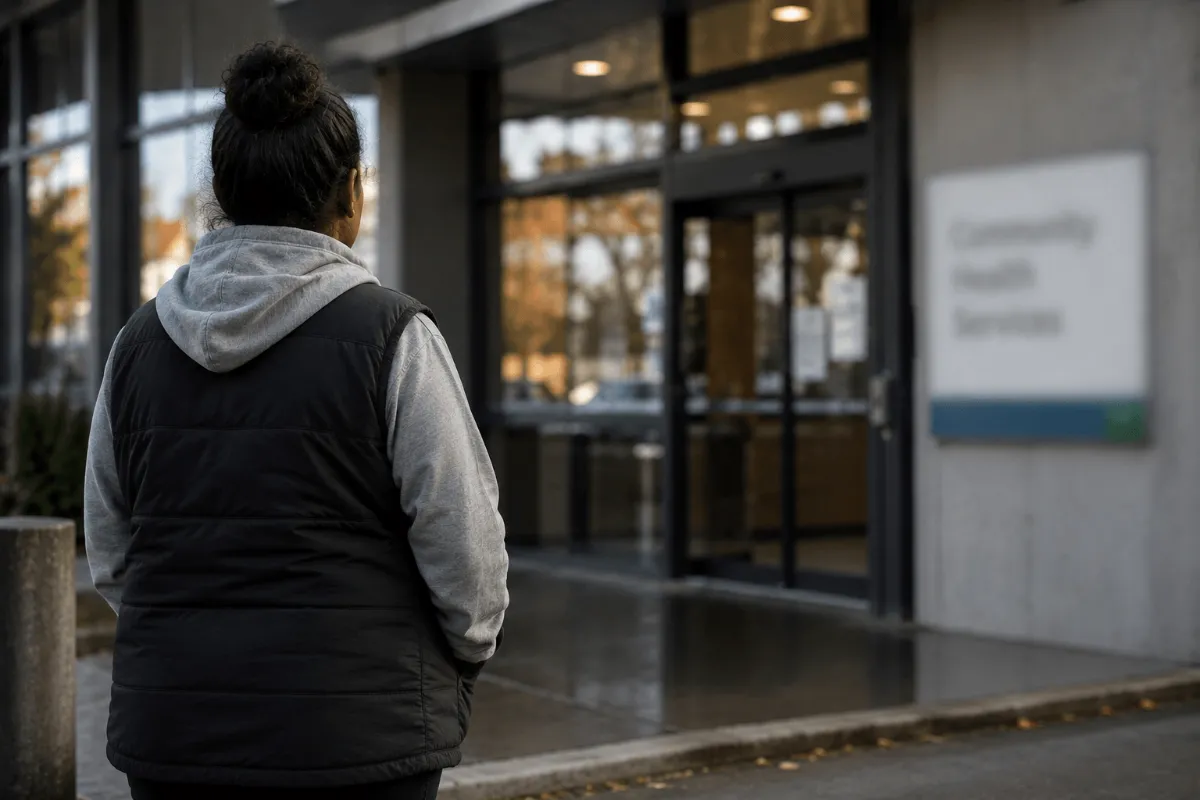
Unfortunately, there are times when people ask for help and walk away feeling let down by the system. Reaching out in the first place takes a lot of courage, so being dismissed, judged or disappointed by institutions or support services can be really damaging. Once that trust is broken, asking again becomes much harder. And when addiction recovery or other serious social issues are involved, there is often even more at stake.
At Marrin Weejali, we provide drug and alcohol and emotional support programs for Aboriginal and non-Indigenous people in Western Sydney. We speak with many who are hesitant to seek out different kinds of assistance, and this is not due to stubbornness or a refusal to accept help, but the result of negative experiences. The good news is, confidence can be rebuilt.
Why people stop trusting the system
From healthcare and housing to child protection, policing and addiction-related services, many Australians have had difficult interactions at some point. This is especially true for Aboriginal communities, where there is also a broader historical context to consider, including colonisation, child removal policies and the Stolen Generations, racism and culturally unsafe treatment within mainstream institutions that can sometimes feel punitive rather than supportive.
When a person feels repeatedly unheard or dismissed, they often stop engaging altogether. It’s not carelessness or a lack of motivation; it’s a protective response. Avoiding the asking seems emotionally safer. Addiction also carries strong stigma, particularly around relapse, parenting, housing stability and mental illness, and when that is paired with long wait times, poor follow-through or the feeling of being treated like ‘just another case’, it reinforces that sense of hopelessness.
Trauma traps the nervous system in a constant state of alertness. When a person has been hurt, controlled or disappointed frequently, they can become highly sensitive to tone, authority, conflict and perceived judgment. Even things like paperwork, appointments or being asked personal questions can feel extremely confronting. As a result, they become guarded, withdrawn or careful about what they share. Safety is emotional as much as it is physical.
What distrust of services can look like during addiction recovery
If you know someone who has felt disenchanted by support services during addiction recovery, try not to assume that every missed appointment or unanswered phone call is a sign they’re giving up. It’s more likely to be anxiety, exhaustion or uncertainty. If they’ve relapsed, they may be trying to avoid criticism or disappointment, and even repeated contact from well-meaning services that genuinely want to help can start to feel overwhelming.
| What it can look like | What might actually be happening |
| Giving very little information | Not feeling safe enough to open up yet |
| Agreeing to things but not following through | Fear, uncertainty or difficulty coping |
| Appearing defensive or withdrawn | Expecting judgment or conflict |
| Struggling with consistency | Still trying to build trust in the process |
| Avoiding group settings | Feeling exposed, ashamed or uncomfortable |
| Testing boundaries or reactions | Trying to work out whether support feels safe and reliable |
How to support someone who has been let down before
Dramatic interventions are not required, and neither is having the perfect thing to say all the time. When a friend or loved one has become distrustful of services, being steady and realistic is helpful. That might mean listening with an open mind, checking in consistently or offering practical help without pressure. What they really need is to know there is at least one person who is reliable, honest and willing to stick around.
Encouragement can also backfire when it feels more like pressure. Someone who already distrusts the system may need time before they feel up to giving it another try, especially if previous experiences were chaotic, dismissive or handled poorly. Rather than pushing towards a specific program or demanding immediate change, it’s often far more helpful to give space to make decisions on their own while reminding them that good support does exist.
Finding the right one will make a big difference. Not every program, worker or service will suit every person. Reassure your loved one that a bad experience in one or even two settings does not mean all forms of help will fail them. Perhaps you could help look for services that are community-based or better aligned with their values. That way, they have a much better chance of building a good rapport and feeling more comfortable engaging with support again.
Culturally safe, trauma-informed care
To rebuild trust, services need to feel respectful, patient and non-judgmental. This is where having a culturally safe option really helps. Rather than expecting everyone to communicate, respond or recover in the same way, these services understand that past experiences shape present behaviour and they offer more flexible, practical and responsive care for the individual.
Marrin Weejali offers a welcoming space and culturally safe programs and advocacy to help those struggling with addiction repair their shattered spirits. We know that many people avoid asking for help because they’ve been let down, so our approach is built around patience, honesty and taking the time to build a real connection with all who walk through our doors.
Take the first step towards healing and reconciliation
Distrust doesn’t just magically appear, and it doesn’t magically disappear either. When someone you care about is avoiding the help they need because the system has previously failed them, try to be that one trusted voice for them. Help them find a better option.
If you or someone you know needs support, you are welcome at Marrin Weejali.
Contact us for a confidential discussion.

© Copyright Marrin Weejali Aboriginal Corporation 2026. All rights reserved. Website by Brilliant Digital.